
Selecting the right personal protective equipment (PPE) is a critical responsibility for healthcare procurement teams. Hospitals, clinics, laboratories, and emergency response organizations rely on PPE to protect medical staff and patients from infectious hazards.
However, choosing the correct medical PPE supplies requires more than simply purchasing protective gear. Procurement managers must evaluate protection levels, regulatory compliance, material performance, and supply reliability.
This PPE selection guide for healthcare facilities explains how healthcare buyers can identify the most suitable protective equipment while maintaining safety standards and procurement efficiency.
 |
 |
What Is PPE in Healthcare?
Personal Protective Equipment (PPE) refers to protective clothing and equipment designed to create a barrier between healthcare professionals and potential biological hazards.
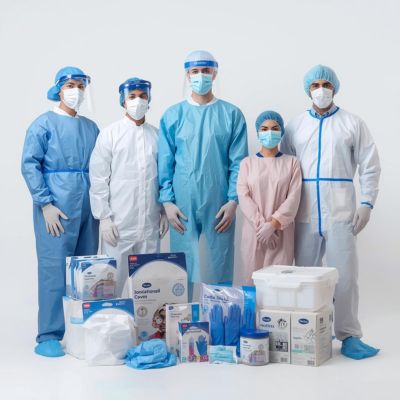
Common types of healthcare PPE products include:
-
Protective gloves
-
Face shields and goggles
-
Protective coveralls
These products are widely used across healthcare environments, including:
-
Hospitals
-
Clinics
-
Laboratories
-
Emergency medical services
-
Pharmaceutical manufacturing facilities
Proper use of PPE is an essential component of hospital infection control systems.
Healthcare facilities often source these products from specialized medical PPE manufacturers and suppliers that can provide consistent quality and regulatory compliance.
 |
 |
Why Proper PPE Selection Matters for Hospitals and Clinics?
For healthcare organizations, selecting the right PPE impacts several critical operational areas.
Infection Prevention
Appropriate PPE significantly reduces the risk of cross-contamination between patients and healthcare staff.
Staff Safety and Comfort
Well-designed PPE improves comfort during long shifts, helping medical workers maintain safety compliance.
Operational Efficiency
Standardized PPE products simplify procurement processes and inventory management.
Procurement Cost Control
Matching PPE protection levels to actual risk scenarios helps avoid unnecessary spending.
For B2B buyers, the goal is to find PPE solutions that combine reliable protection, comfortable design, and stable supply chains.
Key Factors When Choosing PPE for Healthcare Workers
Assess the Exposure Risk Level
Healthcare facilities should first evaluate the level of risk associated with different medical tasks.
Low-Risk Medical Activities
Examples include basic patient interaction or administrative medical work.
Recommended PPE:
-
Medical masks
-
Disposable gloves
Medium-Risk Healthcare Procedures
Situations where contact with bodily fluids may occur.
Recommended PPE:
-
Isolation gowns
-
Face masks
-
Gloves
-
Eye protection
Healthcare facilities commonly use disposable protective clothing for these environments.
High-Risk Medical Environments
Examples include surgical procedures, infectious disease treatment, and emergency response.
Recommended PPE:
-
Surgical gowns
-
Respirators (such as N95 masks)
-
Full protective coveralls
-
Face shields
High-risk environments require higher barrier protection materials and certified medical protective apparel.
PPE Materials Explained: Choosing the Right Protective Fabric
The material used in PPE significantly affects its protective performance.
Common PPE materials include:
Polypropylene (PP)
Lightweight nonwoven fabric used in many disposable medical products such as caps and shoe covers.
SMS Nonwoven Fabric
SMS (Spunbond-Meltblown-Spunbond) is widely used for disposable isolation gowns and protective clothing because it provides:
-
Good breathability
-
Fluid resistance
-
Lightweight comfort
Many hospitals prefer SMS-based protective garments for daily medical use.
Microporous Film Laminated Fabric
This material provides higher barrier protection against liquids and particles.
It is often used for protective coveralls in high-risk medical or laboratory environments.
Selecting the right PPE material helps balance protection performance and comfort.
Disposable vs Reusable PPE: Which Is Better for Healthcare Facilities?
Healthcare procurement teams often compare disposable PPE with reusable medical protective clothing.
Below is a comparison commonly used in hospital procurement decisions.
| Factor | Disposable PPE | Reusable PPE |
|---|---|---|
| Hygiene | Single-use reduces contamination | Requires washing and sterilization |
| Workflow | No laundry required | Additional cleaning process |
| Cost | Lower upfront cost | Lower long-term cost |
| Infection control | Higher reliability | Dependent on the sterilization process |
In high-volume healthcare environments, disposable protective equipment is often preferred because it simplifies infection control procedures.
Healthcare facilities commonly purchase items such as:
-
Disposable caps
-
Disposable shoe covers
-
Isolation gowns
-
Protective coveralls
These products help maintain strict hygiene standards.
PPE by Healthcare Department
Different hospital departments require different PPE configurations.
Emergency Department
Recommended PPE:
-
Isolation gowns
-
Face shields
-
Gloves
These environments require rapid access to protective equipment.
Operating Rooms
Recommended PPE:
-
Surgical gowns
-
Surgical masks
-
Disposable caps
Sterile environments demand high levels of contamination control.
Laboratories
Recommended PPE:
-
Protective lab coats
-
Gloves
-
Eye protection
Many laboratories use reusable work uniforms and protective lab coats alongside disposable PPE.
Supply Chain Reliability for PPE Procurement
For hospitals and medical distributors, PPE supply stability is just as important as product quality.
When evaluating medical PPE suppliers, procurement teams should consider:
-
Manufacturing capacity
-
Quality certification
-
Production lead times
-
International logistics capabilities
-
Emergency supply readiness
The COVID-19 pandemic demonstrated the importance of working with experienced PPE manufacturers capable of maintaining supply during demand surges.
Reliable suppliers help healthcare facilities avoid shortages and maintain operational continuity.
Common PPE Procurement Mistakes Healthcare Buyers Should Avoid
When purchasing healthcare PPE supplies, procurement teams sometimes overlook critical factors.
Focusing Only on Unit Price
Low-cost PPE may sacrifice durability or comfort, which can affect safety compliance.
Evaluating cost per use is often more effective.
Ignoring Certification Requirements
Healthcare PPE must meet relevant regulatory standards.
Always verify:
-
Product certifications
-
Testing reports
-
Compliance documentation
Overestimating Protection Needs
Using high-level PPE in low-risk environments increases procurement costs unnecessarily.
A risk-based PPE strategy is more efficient.
Relying on a Single Supplier
Diversifying PPE suppliers can help healthcare facilities maintain supply stability during emergencies.
How Hospitals Can Build a Reliable PPE Procurement Strategy
Healthcare organizations can improve PPE purchasing efficiency by implementing a structured procurement approach.
Recommended practices include:
-
Conduct risk assessments for each department
-
Standardize PPE specifications across facilities
-
Work with certified medical PPE manufacturers
-
Maintain emergency inventory reserves
-
Regularly review PPE usage data
This approach ensures that hospitals maintain consistent safety standards while optimizing procurement costs.
Conclusion
Selecting the right PPE for healthcare facilities requires a balance between protection performance, regulatory compliance, comfort, and supply reliability.
By evaluating risk levels, choosing appropriate materials, and working with trusted PPE manufacturers, healthcare organizations can create a procurement strategy that supports both infection prevention and operational efficiency.
Reliable PPE solutions allow healthcare professionals to focus on what matters most — delivering safe and effective patient care.
FAQ: PPE Selection for Healthcare Procurement
What is the most important factor when choosing PPE?
The most important factor is the level of exposure risk associated with a specific medical task.
Why do many hospitals prefer disposable PPE?
Disposable PPE reduces cross-contamination risks because it is designed for single use and does not require cleaning or sterilization.
What materials are commonly used in medical PPE?
Common materials include polypropylene nonwoven fabric, SMS fabric, and microporous laminated film.
How can hospitals ensure reliable PPE supply?
Hospitals should partner with experienced PPE manufacturers and maintain strategic inventory reserves.